


How to Build a Website That Works Harder Than Your Sales Team
A good website should not just sit online looking pretty. It should explain your offer, answer objections, build trust, capture leads, track behaviour and move people closer to buying. In other words, your website should act like your hardest-working salesperson — available 24/7, never tired, and always focused on conversion.
The problem is that many business websites are built backwards. They start with colours, fonts and layouts before anyone asks the real question: what does this website need to achieve?
Google says SEO is about
“helping search engines understand your content” and helping users decide whether they should visit your site. That means website creation is not just a design project. It is a visibility, trust and conversion project.
Start With the Sales Job Your Website Needs to Do
Before you build or redesign anything, define the commercial role of the website. Is it there to generate enquiries, sell products, book consultations, collect email subscribers, promote services, or support a sales team?
A website that works harder than your sales team needs:
- A clear offer above the fold
- Strong calls to action
- Simple navigation
- Fast mobile performance
- SEO-friendly page structure
- Trust signals
- Conversion tracking
- Lead capture forms
- Follow-up systems
- Content that answers real customer questions
As the old marketing line goes: “Confused people do not buy.” If a visitor lands on your site and cannot quickly understand what you do, who it is for and why they should trust you, they will leave.
Build for Mobile First, Not Desktop First
Most businesses still review their website on a laptop, even though many customers will first see it on a phone. That is a mistake.
Google states that it uses “the mobile version of a site's content” for indexing and ranking. In simple terms, your mobile site is not the smaller version of your website. It is the version Google and customers are likely judging first.
That means your mobile experience needs to be clean, fast and easy to use. Buttons should be easy to tap. Forms should be short. Text should be readable. Images should load quickly. The main call to action should be obvious without the user having to hunt for it.
A mobile-first website should make it easy to:
- Call you
- Send an enquiry
- Buy a product
- Book an appointment
- Read reviews
- Understand your services
- Find pricing or next steps
The Local Service Business
A local service business may already get traffic, but few enquiries. The issue is often not traffic quality — it is weak conversion structure.
A stronger website would include a clear headline, location-focused service pages, before-and-after examples, testimonials, FAQs, simple forms and a sticky mobile call button.
Instead of a vague headline like:
“Professional Services You Can Trust”
A better version would be:
“Fast, Reliable Bathroom Renovations in Leeds — Free Quote Within 24 Hours”
That immediately tells the user what is offered, where it is offered and what to do next.

Speed and User Experience Are Sales Problems
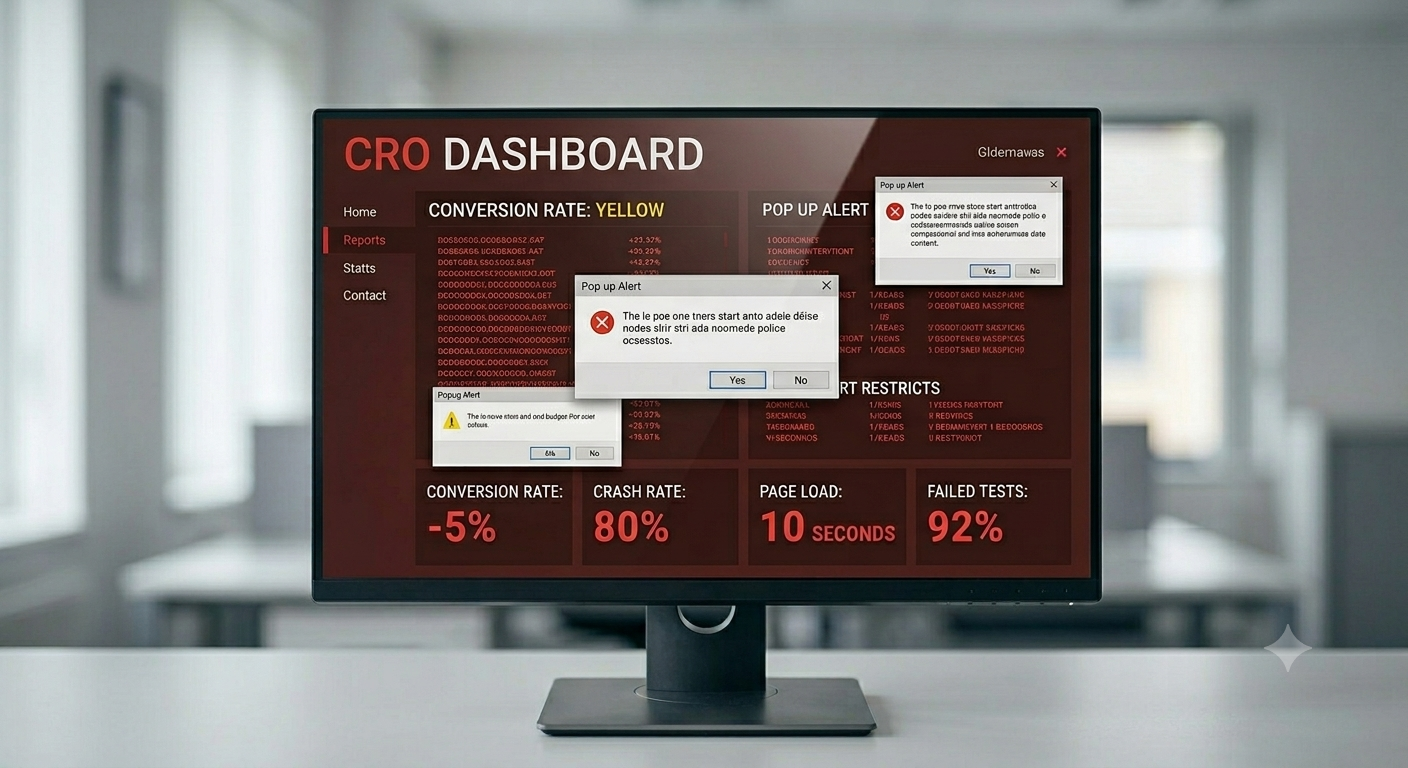
Website speed is not just a technical issue. It affects trust, engagement and conversion. If your website feels slow, clunky or unstable, people associate that poor experience with your business.
Google’s Core Web Vitals measure “real-world user experience for loading performance, interactivity, and visual stability.” These are not vanity metrics. They show whether users can actually load, use and interact with your site properly.
For a business website, that means you need to think about:
- How fast the page loads
- Whether the layout jumps around
- Whether buttons respond quickly
- Whether images are too heavy
- Whether scripts, plugins or tracking tags are slowing the site down
A polished design is pointless if the site takes too long to load or feels broken on mobile.
“A website should not be a digital brochure. It should be your hardest-working sales asset — explaining, persuading, tracking and converting while your team sleeps.”
The Ecommerce Store
For ecommerce, the website has to work like a sales assistant, product expert and checkout assistant at the same time.
Baymard Institute reports that the average cart abandonment rate is currently 70.19%, showing how much revenue can be lost when the buying journey creates friction.
A stronger ecommerce website should improve:
- Product titles and descriptions
- Product images
- Delivery information
- Returns messaging
- Reviews
- Payment options
- Checkout speed
- Abandoned basket emails
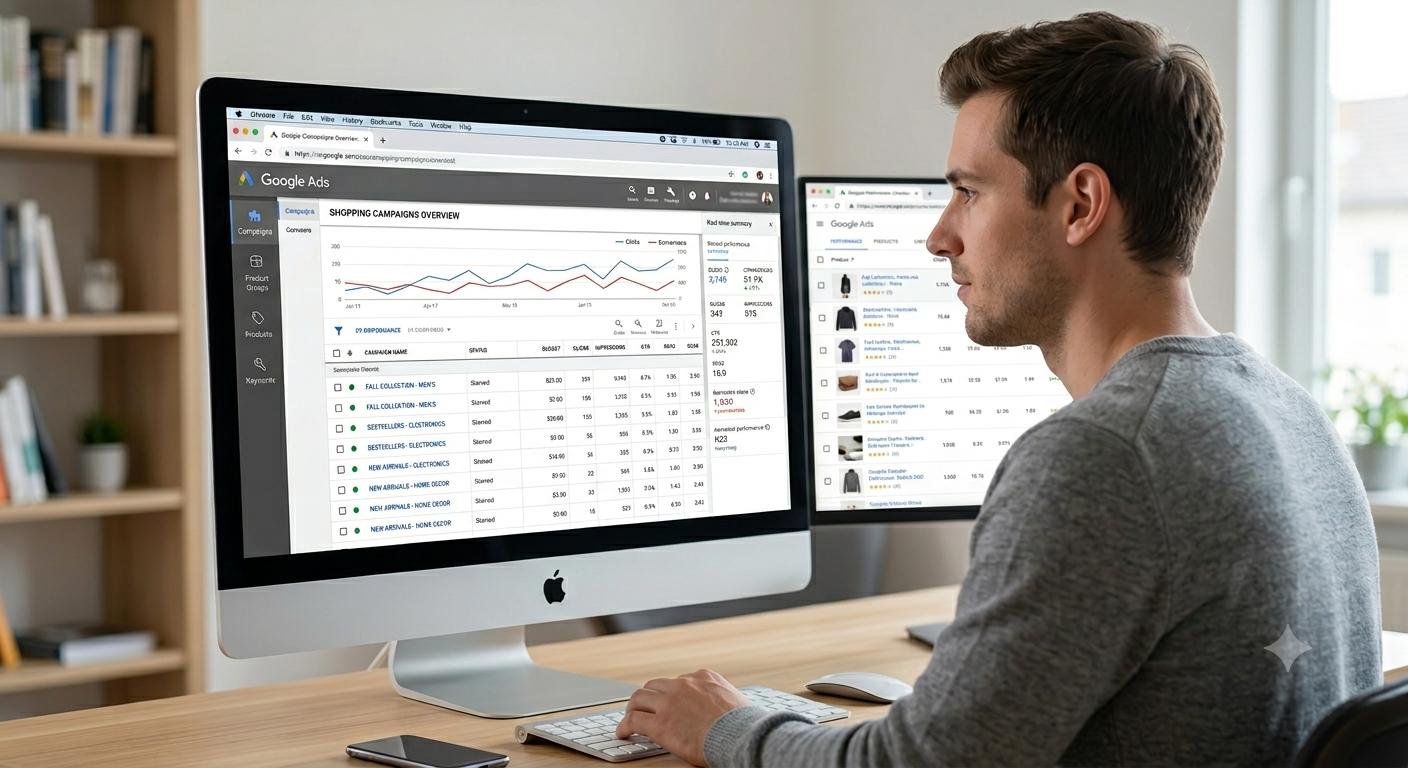
- Google Shopping feed quality
- GA4 ecommerce tracking
Small improvements in product pages and checkout can have a major commercial impact because the traffic is already there. The goal is to stop losing people at the final hurdle.

Your Content Should Sell Before the Sales Call
A high-performing website does not rely on the user already knowing they want you. It educates, reassures and persuades.
Google’s guidance says its ranking systems are designed to prioritise “helpful, reliable information” created to benefit people. That is exactly how your service pages, blog posts and landing pages should be built.
Your website content should answer questions like:
- What do you do?
- Who do you help?
- What problem do you solve?
- Why should someone choose you?
- What results can you create?
- What happens after they enquire?
- What objections might stop them buying?
This is where SEO, GEO and AEO become powerful. You are not just writing for Google rankings. You are creating content that can be understood by search engines, AI tools, answer engines and real customers.
Tracking Turns Your Website Into a Growth System
A website without tracking is guesswork. You need to know which pages generate leads, where users drop off, which campaigns drive sales and which forms are underperforming.
At minimum, your website should have:
- GA4 installed correctly
- Google Tag Manager
- Form submission tracking
- Click-to-call tracking
- Ecommerce tracking, if relevant
- Meta Pixel and CAPI, if running paid social
- Conversion tracking for Google Ads
- CRM or email integration
Once the data is clean, you can improve the site based on evidence instead of opinion.
“Good web design is not just about how a site looks. It is about how quickly it builds trust, answers objections and moves the visitor towards action.”
Your Website Should Not Just Exist
A website that works harder than your sales team is not just designed. It is engineered around customer intent.
It ranks. It loads quickly. It answers questions. It builds trust. It captures leads. It tracks conversions. It supports follow-up. It helps people make decisions before they ever speak to you.
If your current website looks good but does not generate enough leads, sales or enquiries, the problem probably is not just design. The problem is strategy.
Build your website around visibility, speed, trust and conversion — and it becomes more than a website. It becomes one of the most valuable sales assets in your business.
Recent Posts