


Your Website Is Leaking Leads — Here’s How to Plug the Gaps
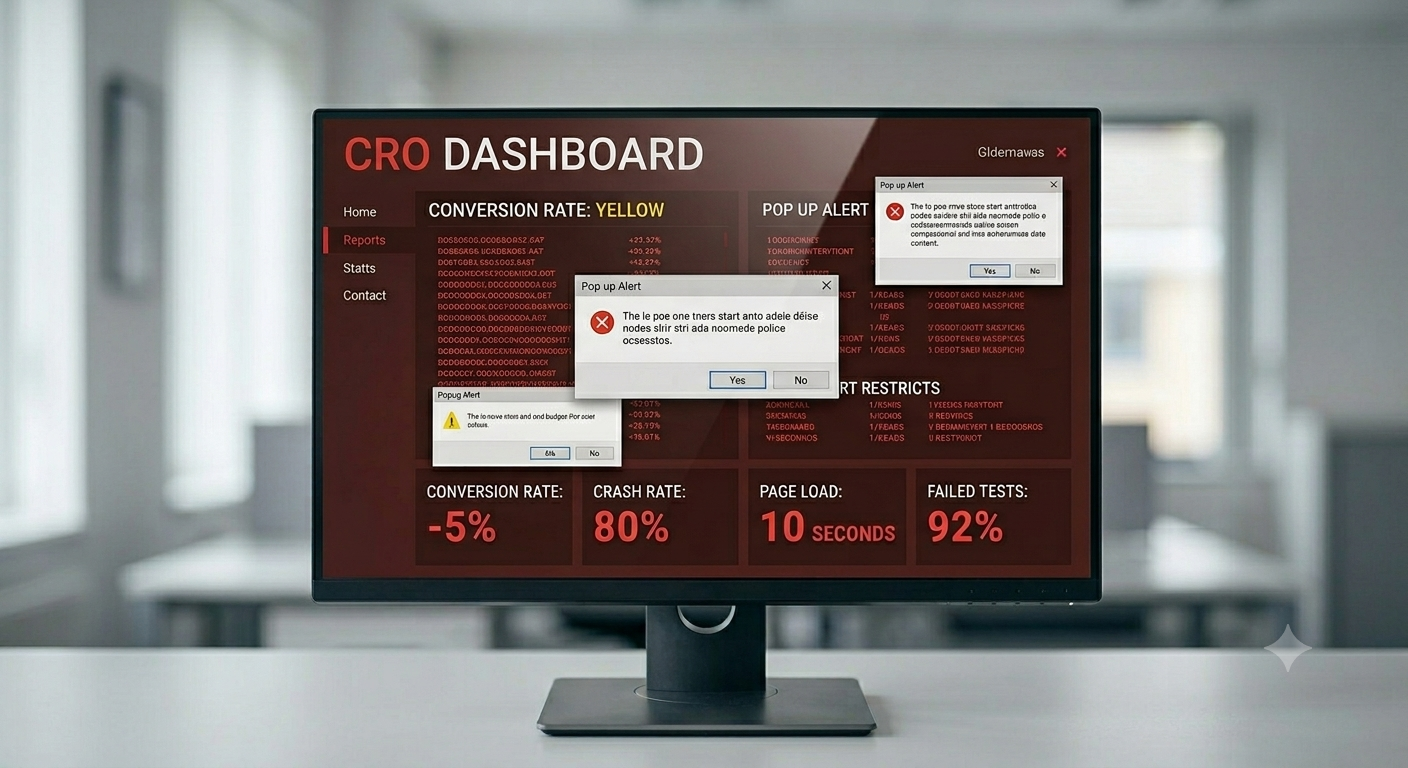
Getting traffic is great. But if visitors are landing on your website, having a quick look around, then disappearing without enquiring, booking, buying or calling, your website has a leak.
Not a tiny drip either. A proper lead leak.
The frustrating part is that many businesses think the answer is simply “more traffic”. More SEO. More ads. More social posts. More clicks. But if the website journey is weak, more traffic just means more people escaping through the same gaps.
As Salesforce explains, lead generation is about building interest in a product or service and turning that interest into a sale. It is not just about attracting people; it is about moving the right people towards action.
“Traffic fills the bucket. Your funnel decides whether the bucket holds water.”
The Real Problem Is Usually the Funnel
A lead generation funnel is the journey someone takes from first noticing your business to becoming an enquiry, lead or customer.
A simple funnel usually includes:
- A traffic source such as Google, social media, email or paid ads
- A landing page or service page
- A clear offer
- A form, phone number, booking link or checkout
- A follow-up process
- Tracking so you know what worked
When any part of that journey is weak, leads leak out.
Common leaks include vague messaging, slow pages, weak calls to action, poor mobile design, forms that ask too much, missing trust signals, no follow-up and no conversion tracking.
Google’s own landing page guidance says landing page experience is shaped by the usefulness and relevance of the information, ease of navigation, number of links and whether the page matches what users expected after clicking an ad.
That matters because users do not owe your website their patience. If the page does not quickly reassure them they are in the right place, they leave.
Leak 1: Your Homepage Is Doing Too Much
A homepage is useful. It introduces your business, your brand and your main services. But it is rarely the best place to send high-intent traffic.
Why? Because homepages are busy. They usually have multiple services, menus, links, banners, social icons and different messages competing for attention.
A landing page is different. It has one job.
“Your homepage introduces the business. Your landing page sells the next step.”
For lead generation, that next step could be:
- Book a consultation
- Request a quote
- Download a guide
- Claim a free audit
- Start an eligibility check
- Schedule a call
The more focused the page, the easier it is for users to act.
The Local Service Business
Imagine a Leeds-based home improvement company getting 1,500 visits per month but only eight enquiries.
At first glance, it looks like a traffic problem. But the analytics shows most visitors are landing on the homepage, scrolling briefly, then leaving.
The homepage says “Quality Home Improvements You Can Trust”, but it does not immediately explain the specific service, location, process, price range or next step.
The fix is not more traffic. The fix is a dedicated landing page for a high-intent service, such as:
“Decking Installation in Leeds — Get a Free Quote Within 24 Hours”
That page should include before-and-after images, local service areas, customer reviews, FAQs, a short quote form and click-to-call tracking.
Suddenly the journey is clearer. The visitor searched for decking, landed on a decking page, saw proof, understood the offer and had one obvious action to take.
That is how you plug the first leak.

Leak 2: Your Call to Action Is Too Weak
“Contact us” is not always enough.
It is passive. It gives the user no real reason to act now. A stronger CTA explains what happens next and reduces friction.
Better examples include:
- Get My Free Website Audit
- Request a Quote Today
- Book a 20-Minute Strategy Call
- Check Availability
- Send Me the Pricing Guide
- Start My Free Funnel Review
Good CTAs make the next step feel easy, useful and low-risk.
Google also emphasised in 2025 that relevant content and easy-to-navigate landing pages help people find what they are looking for and can drive long-term value for advertisers.
That means your page should not make users work hard. The offer, value and next step need to be obvious.
Leak 3: Your Forms Are Killing Conversions
Forms are one of the most common places leads disappear.
A form might look harmless, but every unnecessary field adds friction. Do you really need the user’s full address, company size, job title, budget, phone number and life story before they have even spoken to you?
For early-stage enquiries, shorter is usually better.
A strong lead form should:
- Ask only for essential information
- Be easy to complete on mobile
- Explain what happens after submission
- Include reassurance around privacy
- Have a clear submit button
- Trigger a confirmation message or email
HubSpot’s form tool positioning is built around the idea of turning clicks into qualified leads, then routing those contacts into a CRM for nurture or sales follow-up.
That is the point: the form should not be the end of the journey. It should be the beginning of a managed follow-up process.
Leak 4: You Have No Trust Signals Near the Decision Point
People need reassurance before they enquire.
They want to know:
- Are you credible?
- Have you done this before?
- Do other people trust you?
- Is the process simple?
- Will someone actually respond?
- What results can you create?
Trust signals should not be hidden on a separate testimonials page. Put them near the CTA.
Useful trust signals include:
- Reviews
- Case studies
- Client logos
- Before-and-after examples
- Certifications
- Years of experience
- Results
- Guarantees
- Secure payment badges
- Clear contact details
“People do not just convert because they like the design. They convert because the page gives them enough confidence to take the next step.”
Leak 5: You Are Not Following Up Properly
Most leads are not ready to buy the second they land on your website. Some need more information. Some are comparing options. Some are interested but distracted. Some fill in a form and then forget.
That is why follow-up matters.
Salesforce describes lead nurturing as the process of providing useful offers and resources that persuade prospects to advance through the sales funnel.
A good follow-up system might include:
- Instant confirmation email
- Helpful guide or resource
- Reminder email
- Case study email
- Call-back task
- CRM pipeline stage
- Retargeting audience
- Final “still interested?” message
The B2B Consultancy
A B2B consultancy is getting traffic from LinkedIn, Google and referrals. The service is strong, but enquiries are inconsistent.
The website CTA says “Contact Us”. The form goes to an inbox. Sometimes someone replies the same day. Sometimes it takes two days. There is no CRM, no email sequence and no clear record of which channel brought the lead in.
The fix is to create a stronger lead magnet, such as:
“Free 15-Minute Growth Funnel Review”
The landing page explains exactly who it is for, what the review includes and what the user will receive. Once the form is submitted, the lead is sent into a CRM, tagged by source and placed into a short nurture sequence.
The follow-up might look like this:
- Day 0: Confirmation email and booking link
- Day 1: Useful checklist
- Day 3: Relevant case study
- Day 5: Reminder to book
- Day 7: Final value-led follow-up
The result is a proper funnel instead of a loose enquiry form. The business is no longer relying on memory, inbox chaos or luck.
Leak 6: You Are Not Tracking the Right Actions
If you cannot see where leads come from, you cannot improve the funnel properly.
Google Analytics 4 allows businesses to configure recommended and custom events to measure useful behaviours on websites and apps.
For lead generation, that means tracking actions such as:
- Form submissions
- Button clicks
- Phone number clicks
- Email clicks
- Booking link clicks
- Quote requests
- Downloads
- Checkout starts
- Purchases
- Thank-you page views
Salesforce also notes that lead source tracking helps identify which campaigns are working and which strategies need to change.
Without clean tracking, you might think a campaign is failing when the real problem is the landing page. Or you might think SEO is working because traffic is up, even though no qualified leads are coming through.
How to Plug the Gaps
A better lead generation website does not need to be complicated. It needs to be intentional.
Start with this checklist:
- Create focused landing pages for key services
- Match each page to one search intent or campaign goal
- Make the headline specific
- Put the CTA high on the page
- Add trust signals near the CTA
- Keep forms short
- Make everything mobile-first
- Add FAQs to reduce objections
- Connect forms to a CRM
- Build an automated follow-up sequence
- Track every meaningful conversion
Final Thought
If your website is leaking leads, the answer is not always more traffic. Sometimes the smarter move is to fix the journey.
Your website should not just attract visitors. It should guide them, reassure them, capture them, follow up with them and show you exactly which channels are creating real opportunities.

“A good funnel does not pressure people. It removes confusion, builds trust and makes the next step obvious.”
When your website does that well, traffic stops slipping away — and starts turning into enquiries, conversations and customers.
Recent Posts