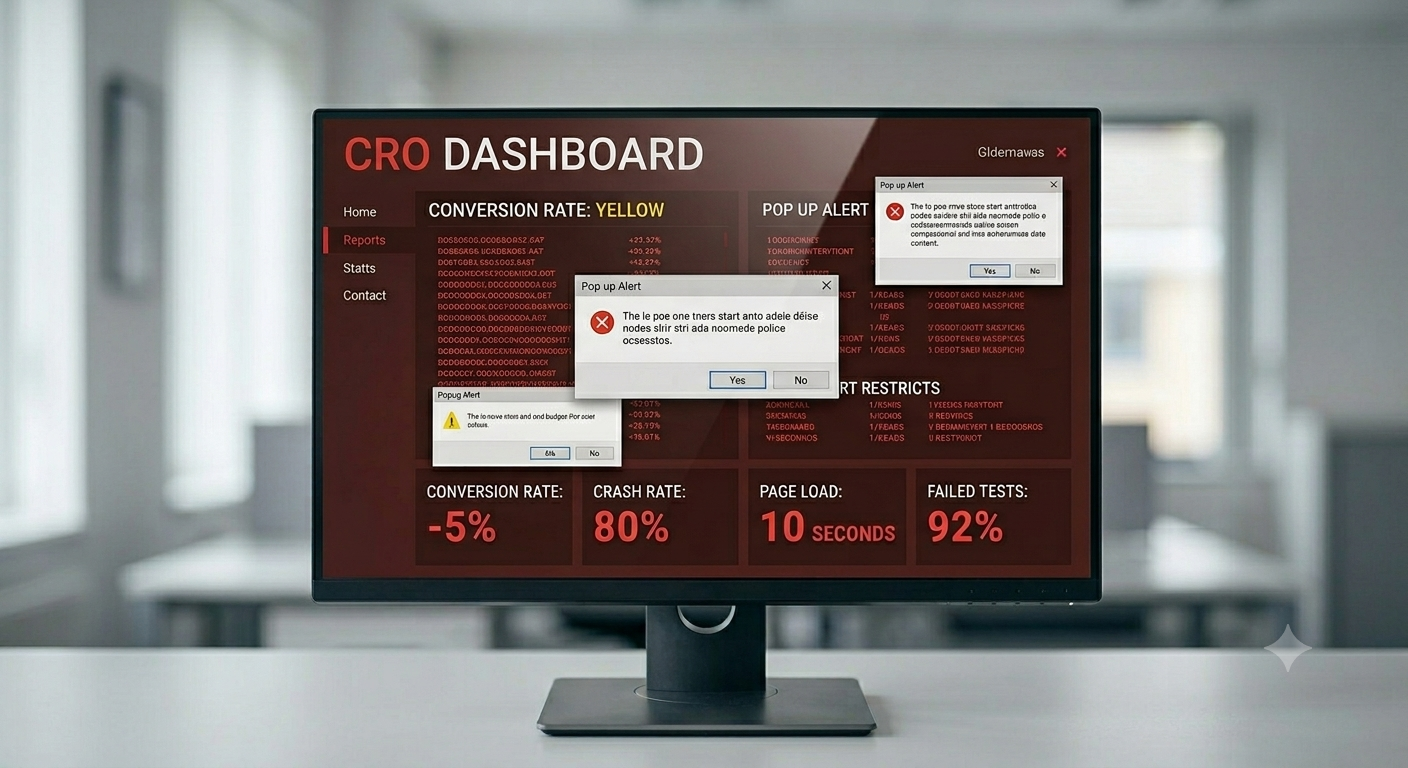
Conversion rate optimisation has a reputation for being complicated. Split tests , heatmaps , multivariate experiments , statistical significance — it can sound like something that only enterprise brands with dedicated teams and six-figure tool budgets get to do properly. But here’s the thing. Most websites aren’t losing conversions because they lack a sophisticated testing programme. They’re losing them because of basic, fixable problems that have been sitting there for months, quietly turning away people who were genuinely ready to buy, enquire or sign up. This post is about those problems. The form that asks for too much. The CTA that blends into the page. The checkout that makes people think twice at exactly the wrong moment. The user journey that loses people somewhere between landing and converting, and nobody’s quite sure where. Fix the basics and you’ll see results. It’s not glamorous advice, but in 2026 it’s still the truest thing anyone can tell you about CRO .
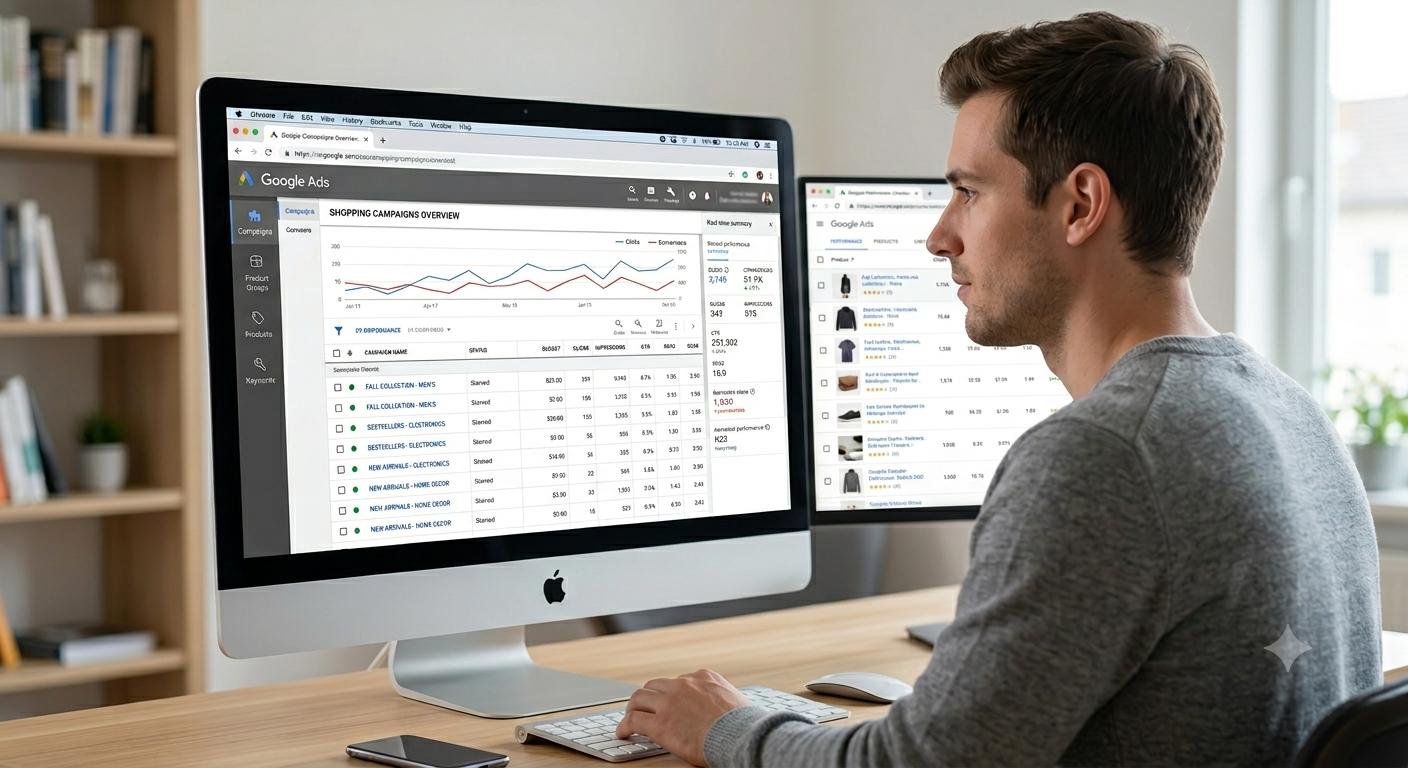
Let’s be honest — Google Shopping looks simple on the surface. You upload your products, set a budget, let PMAX do its thing and wait for the sales to roll in. Except they don’t. The ROAS is underwhelming, the clicks aren’t converting and you’ve got a vague sense that money is disappearing somewhere but you’re not quite sure where. If that sounds familiar, you’re not alone. It’s one of the most common situations I see when auditing Shopping accounts, and nine times out of ten the problem isn’t the campaign. It started long before that — in the feed, on the product page, or in tracking that’s been quietly misfiring for months. Here’s what’s actually going wrong and, more importantly, what to do about it.

Getting traffic is great. But if visitors are landing on your website, having a quick look around, then disappearing without enquiring, booking, buying or calling , your website has a leak. Not a tiny drip either. A proper lead leak. The frustrating part is that many businesses think the answer is simply “more traffic”. More SEO. More ads. More social posts. More clicks. But if the website journey is weak, more traffic just means more people escaping through the same gaps. As Salesforce explains, lead generation is about building interest in a product or service and turning that interest into a sale. It is not just about attracting people; it is about moving the right people towards action.
A good website should not just sit online looking pretty. It should explain your offer, answer objections, build trust, capture leads, track behaviour and move people closer to buying. In other words, your website should act like your hardest-working salesperson — available 24/7, never tired, and always focused on conversion. The problem is that many business websites are built backwards. They start with colours, fonts and layouts before anyone asks the real question: what does this website need to achieve? Google says SEO is about “helping search engines understand your content” and helping users decide whether they should visit your site. That means website creation is not just a design project. It is a visibility, trust and conversion project.